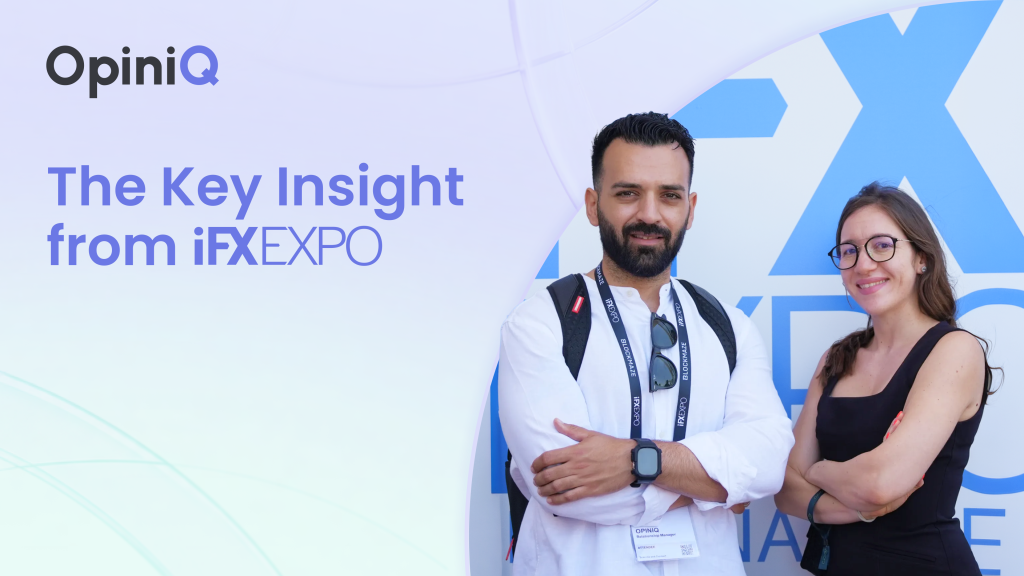
OpiniQ at iFX EXPO 2026
What iFX EXPO 2026 confirmed for us Three days in Limassol gave us more than meetings and introductions. Across conversations with fintech companies, payment providers, brokers, technology partners,…
Explore our latest articles and get to know more about OpiniQ.
What iFX EXPO 2026 confirmed for us Three days in Limassol gave us more than meetings and introductions. Across conversations with fintech companies, payment providers, brokers, technology partners,…

Banking Is No Longer a Back-Office Function. Here's What's Changing. Perspectives shared from conversations at Island Conference / i-Con. At i-Con, the same theme kept resurfacing in conversations…
International expansion is often approached as a strategic growth decision.At the executive level, the focus is typically on markets, revenue, and scale.Complexity, however, does not emerge at the…
Most companies discover their structural gaps not from within — but through external pressure. A bank requests documentation. A regulator asks who controls what. A partner wants to…
As organisations expand internationally, structural design and operational reality often evolve at different speeds. This creates a gap between how the business is organised and how it actually…
Previously, we outlined: international expansion is not only a growth opportunity, but a source of structural complexity. The next question is how that complexity accumulates. And why it…
International expansion is often approached as a growth opportunity.
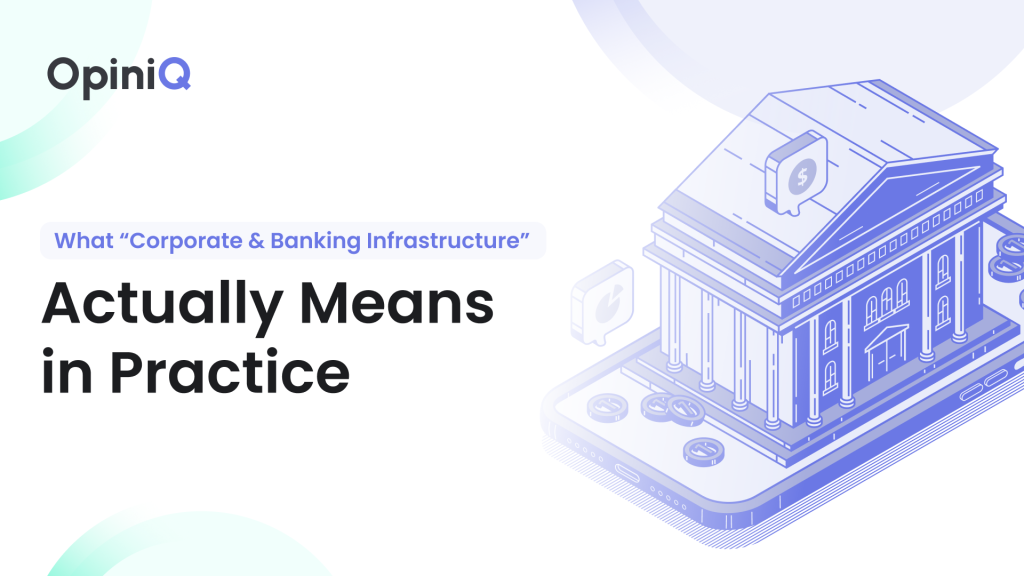
The term “corporate and banking infrastructure” is often used, yet its practical meaning is not always clearly defined. In practice, it refers to how a business is organised, how its processes are structured, and how it interacts with financial institutions within a given environment.
In a complex business environment, operational clarity often becomes increasingly difficult to maintain. As organisations grow, expand across jurisdictions, or introduce new business lines, internal structures and processes may evolve unevenly. Over time, this can result in fragmented decision-making, unclear responsibilities, and reduced operational efficiency.
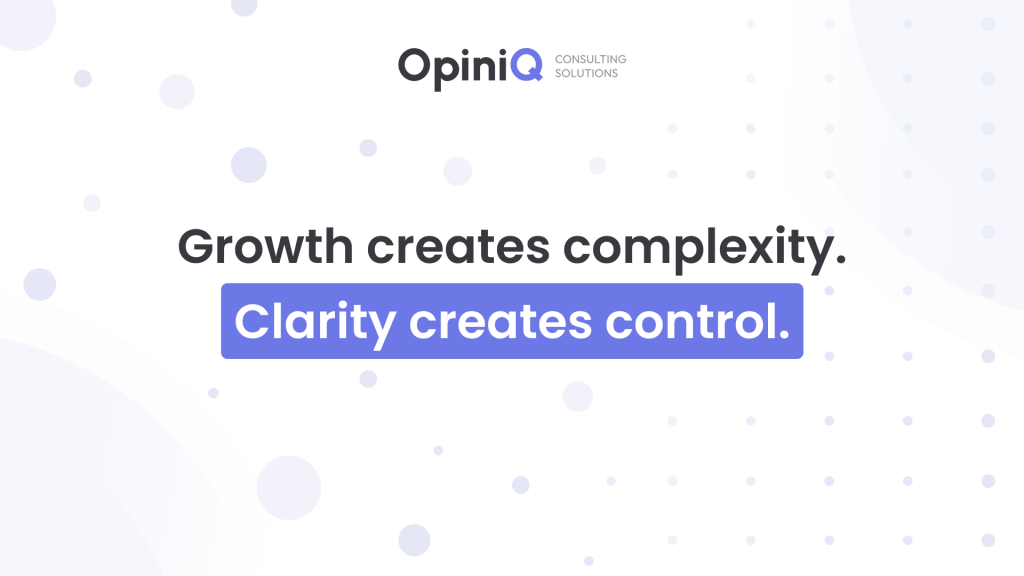
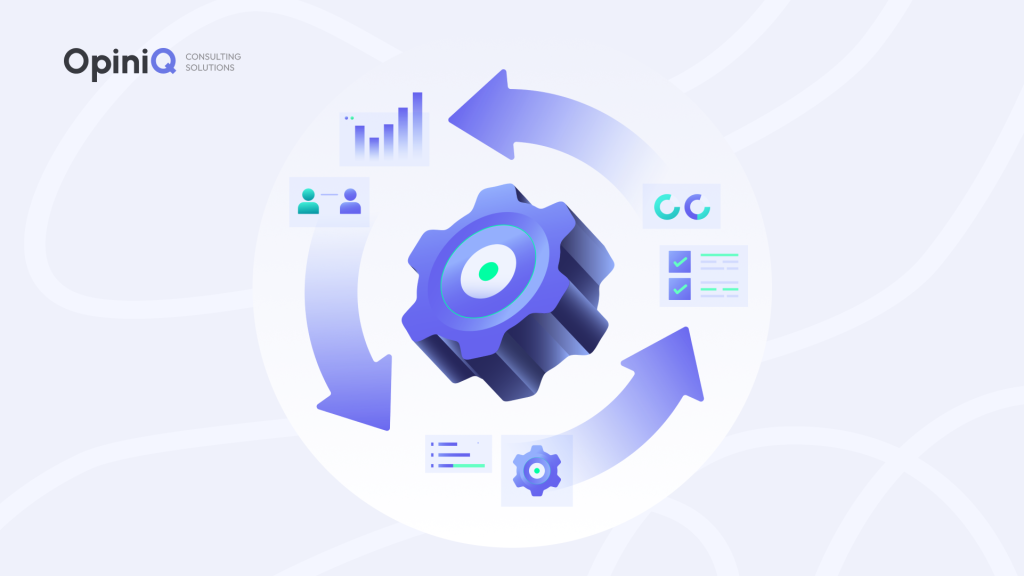
As businesses grow, operational complexity tends to increase faster than internal structures can adapt. New markets, additional banking relationships, expanding teams, and more sophisticated financial flows all contribute to this complexity. However, the challenge is rarely the growth itself. More often, it lies in how internal processes evolve alongside that growth.
On 22 December 2025, the Parliament of Cyprus approved a comprehensive tax reform aimed at modernising the national tax framework, strengthening transparency, and aligning domestic legislation with international standards. Most of the amendments entered into force on 1 January 2026.
At the end of 2025, the Cyprus offices of Ernst & Young, KPMG, PricewaterhouseCoopers and Deloitte published a range of reports and insights covering topics from audit quality management to ESG reporting and digital transparency. A closer reading, however, reveals a shared structural shift across these publications.

Throughout 2025, Cyprus advanced a sequence of regulatory, tax and governance initiatives that collectively reshaped the operating environment for corporate structures

In October 2025, Cyprus's Ministry of Finance submitted a comprehensive tax reform package to Parliament. The government intends to modernise the country's fiscal framework and align it with global standards such as the OECD's Pillar II rules. If approved by lawmakers by the end of 2025, most provisions will apply from 1 January 2026. Companies operating through Cyprus holding or operating entities have a short window to understand the proposed changes and adjust their structures accordingly.

As part of its National Recovery and Resilience Plan, Cyprus has launched a government-backed challenge inviting proposals for an AI-powered early warning system.

Four recent insights from the Cyprus arms of Deloitte, EY, KPMG and PwC capture a clear shift: governance is becoming compliance.

Effective risk management is now seen as a foundation for business resilience and sustainable growth. As companies expand their operations and enter new markets, strong risk frameworks help maintain stakeholder trust and support confident decision making.
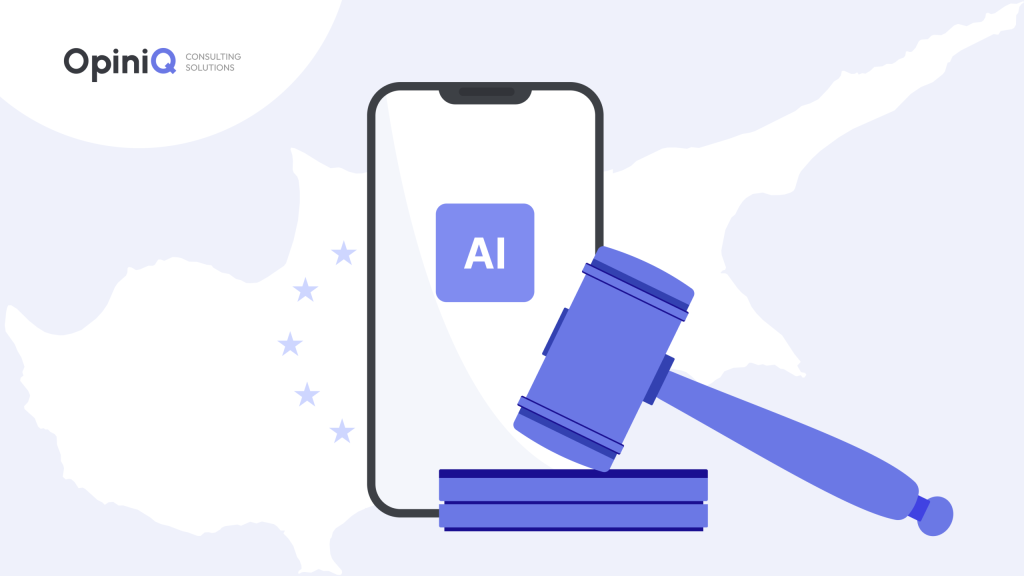
In Q2 2025, Cyprus took a major step in AI governance by integrating the EU’s Artificial Intelligence Act (Regulation (EU) 2024/1689) into its national framework.

In recent months, OpiniQ has observed a growing shift in how organisations approach internal structure – among our clients and across sectors.
Get in touch with our experts to discuss how OpiniQ can deliver on your business objectives